Our Approach

Why choose Qexlido for your balcony safety installation.

A focused technical service built around one outcome: a properly protected balcony with documentation that holds up — without damaging your building.

Delivered without protection. Required before occupancy.

When you purchase an apartment in a new residential tower in Chile — particularly in buildings above ten floors — the balcony or terrace is typically delivered as an open space with no protective barrier. This is standard practice in the Chilean residential construction market.

Before the unit can be inhabited or leased, the buyer must arrange for appropriate protection. This is not optional — it is a practical and regulatory necessity. Qexlido provides the technical solution to this specific requirement.

  • Applicable to new towers delivered from 2015 onward
  • Relevant for individual buyers and co-investment groups
  • Necessary before first occupancy or lease agreement
  • Documentation required by property administrators
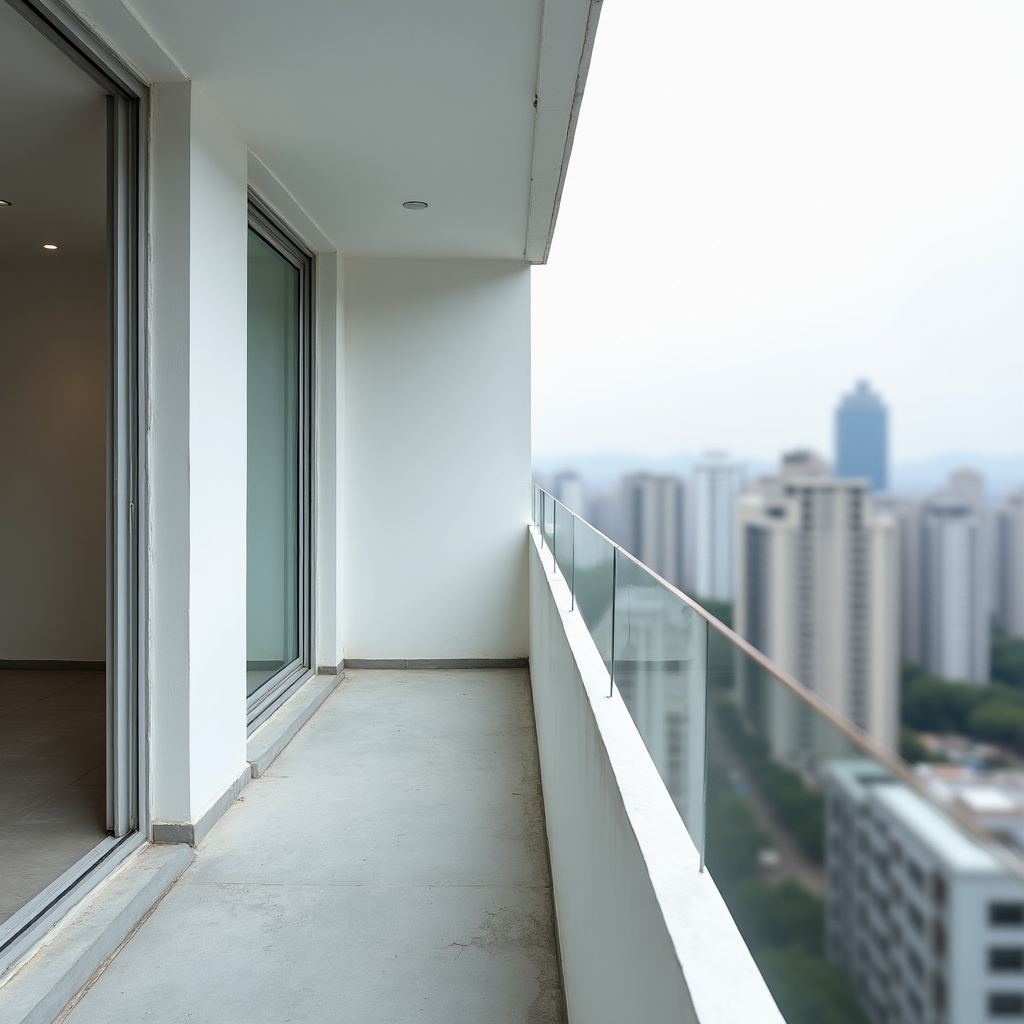
New apartment balcony without protective barriers, showing open edge on a high-floor unit

How the installation works.

Our process is designed to deliver a complete, documented result without any negative impact on the building's facade or structural elements.

Precision Measurement

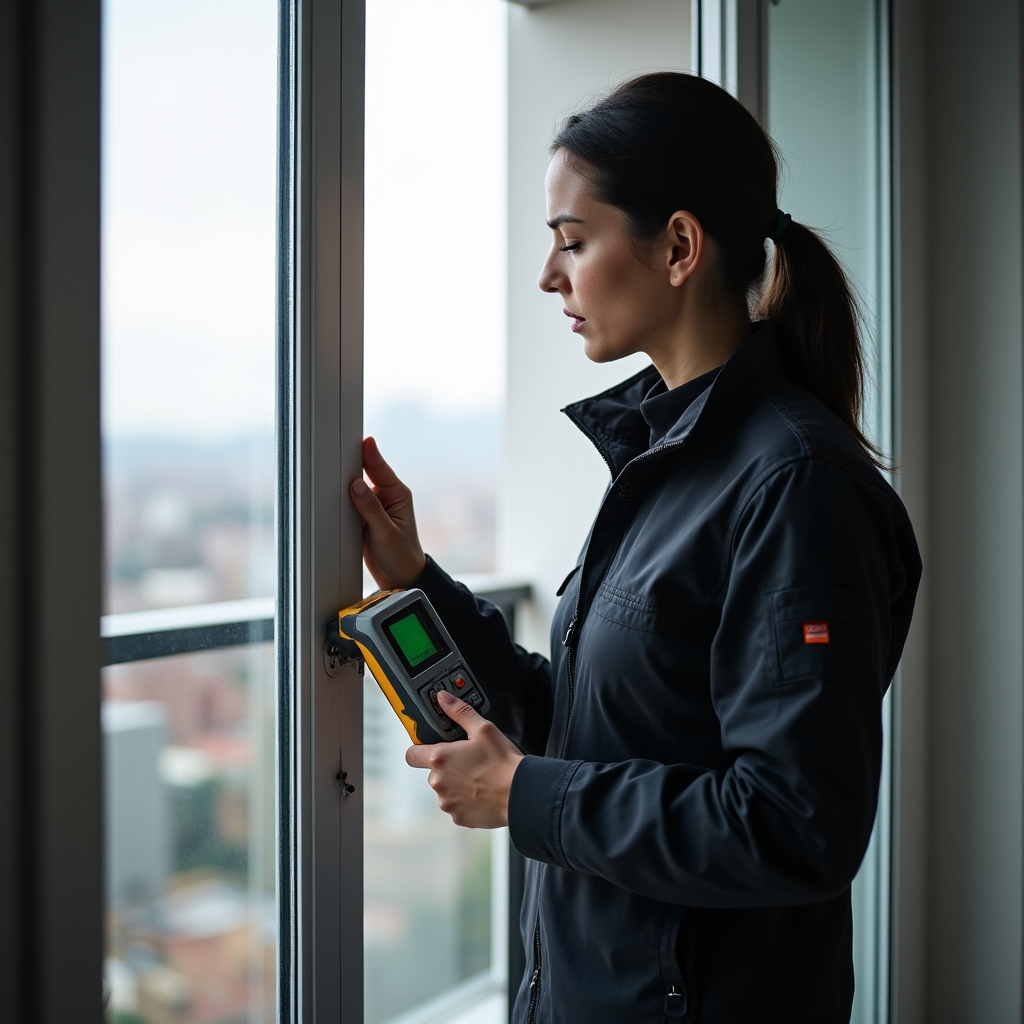
Every installation begins with a dedicated on-site visit. A technician measures each balcony or terrace opening with precision instruments. No standard sizes — every net is fabricated to the exact dimensions of your unit.

Custom Fabrication

Nets are fabricated from stainless steel wire to your exact measurements. Hardware — including tensioners, anchors, and perimeter cables — is also produced in stainless steel for long-term corrosion resistance.

Facade-Safe Anchoring

Fixings are applied to structural elements — not to facade tiles or cladding. The anchoring method preserves the exterior finish and does not void the building's warranty. Visible hardware is finished in stainless steel to remain discreet.

Grade 316 Stainless Steel for Coastal Environments
For units in coastal areas or buildings with high humidity exposure, we use Grade 316 stainless steel, which offers enhanced resistance to chloride-induced corrosion compared to standard Grade 304.
Wind Load Calculations by Floor Level
Fixing depth and net tension are calculated based on your specific floor level. Wind pressure increases significantly above the 10th floor, and our installation specifications account for this variable.
Resistance Certificate Upon Completion
Every installation concludes with the issuance of a formal resistance certificate. This document describes the materials used, the anchoring method, and the load capacity of the installed system. It is suitable for inclusion in lease documentation.
Reversible Installation
The installation can be removed without leaving visible marks on the facade. This is relevant for owners who may wish to modify or replace the system in the future, or for buildings where administration requires reversibility.
Qexlido technician with measuring equipment on a high-floor apartment balcony

Keeping your installation in specification over time.

Stainless steel safety nets require periodic inspection to verify that net tension remains within the original specification, fixings show no signs of loosening, and the system continues to meet resistance requirements.

Qexlido offers annual maintenance visits as a standalone service or as part of an ongoing maintenance program. After each inspection, an updated maintenance record is issued.

Annual Inspection
Full system check and tension verification
Maintenance Record
Document issued after each visit
Part Replacement
Tensioners and hardware replaced as needed

Schedule your on-site measurement visit.

The visit is the first step. We come to your unit, take measurements, and provide a detailed written quote.

Contact Us